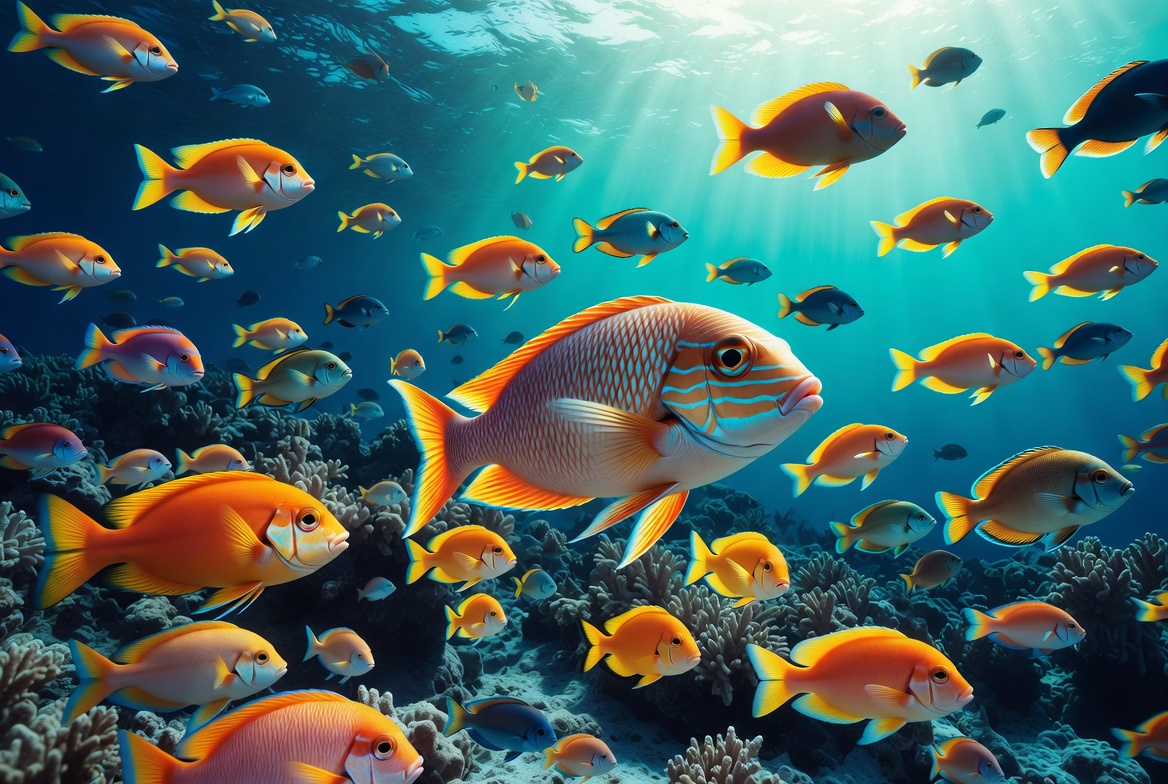


Bony fish, scientifically known as Osteichthyes, represent the largest and most diverse group of fish on Earth. They make up more than 95% of all fish species, with over 30,000 known types. These fish are called ‘’Bony’’ because their skeletons are made of cartilage. Bony fish inhabit a wide range of aquatic environments, including oceans, seas, rivers, and lakes, demonstrating remarkable adaptability to different ecological conditions. Economically and nutritionally, bony fish are highly significant, forming the backbone of global fisheries and aquaculture. They provide an essential source of high-quality protein, omega-3 fatty acids, vitamins, and minerals, making them a vital component of human diets worldwide. The group is divided into two main types: the ray-finned fish [ Actinopterygii, which makes up the vast majority of extant fish ] and the lobe-finned fish [ Sarcopterygii, which gave rise to all land vertebrates ]. Bony fish differ from fish like sharks and rays in the chondrichthyes class; instead of cartilage, bony fish have bones. Bony fish also have a Swim bladder.
Bony fish are aquatic vertebrates that have a skeleton primarily composed of bone tissue. Unlike cartilaginous fish such as sharks and rays, their bodies are supported by hardened bones, which provide structure and protection. They are characterized by features such as gills for breathing, fins for movement, and usually a swim bladder that helps maintain buoyancy in water.

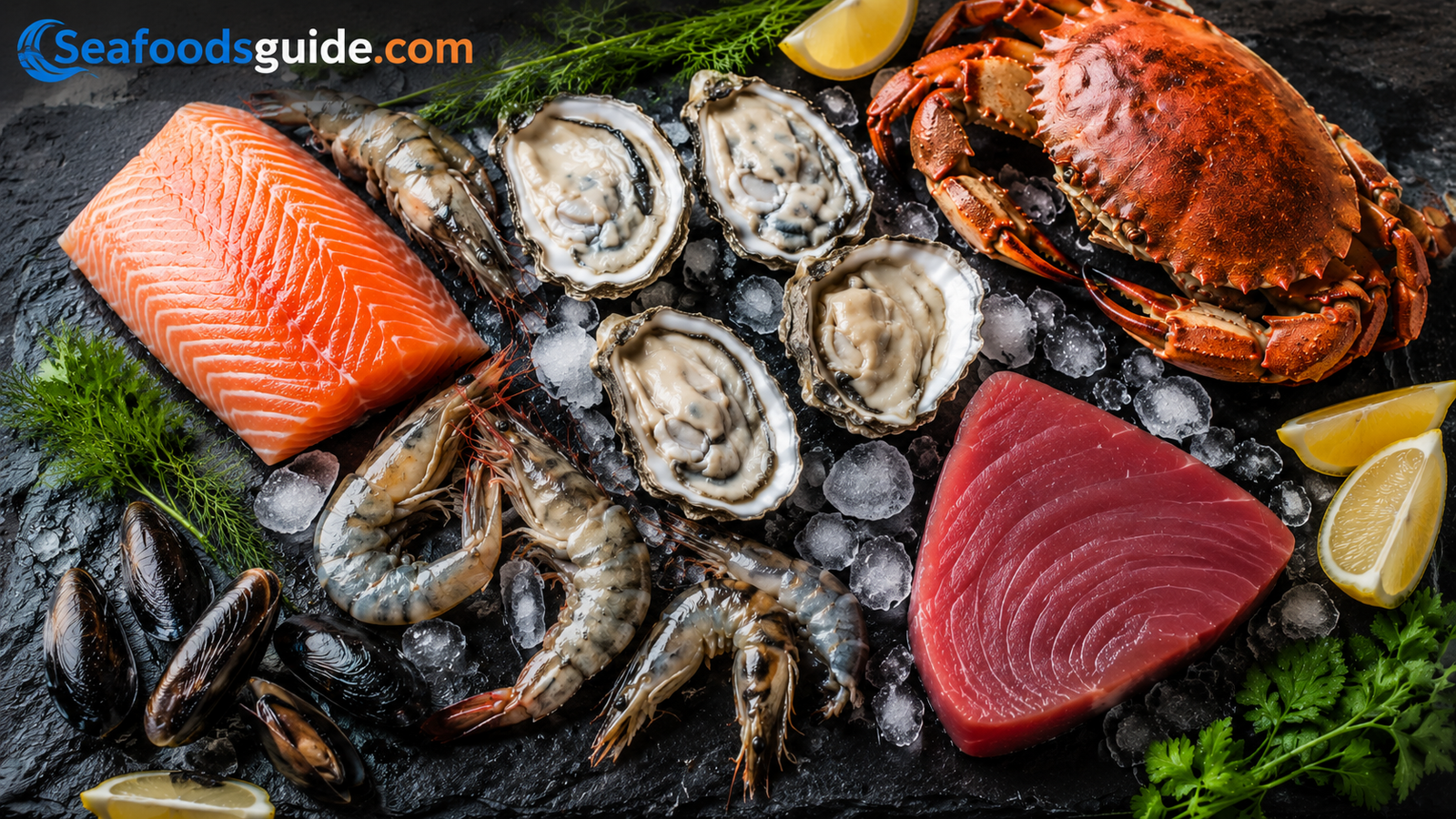
Bony fish are one of the most widely consumed seafood sources in the world.
Protein
Vitamins
Minerals
Omega-3 fatty acids
They help support a healthy diet and are an important food source for millions of people. Roughly 73% of fisheries harvests are used directly for human food. Common examples include tuna, salmon, trout, tilapia, cod, and mackerel, which provide essential nutrients.
The fishing and aquaculture industries depend heavily on bony fish. Millions of people earn their livelihood through:
Commercial fishing
Fish farming
Fish processing
Seafood export businesses
These industries contribute greatly to national economies. Bony fish are the mainstay of global commercial ocean and inland fisheries. They are harvested for food, oil, and fishmeal.
Many bony fish species are raised in fish farms to meet the growing demand for seafood. Common farmed species include:
Tilapia
Catfish
Carp
Salmon
Fish farming helps reduce pressure on wild fish populations.
Scientific usr bony fish in biological and medical research to study:
Genetics
Evolution
Behavior
Disease treatment
Some species are important model organisms in laboratories. Small bony fish like the zebra fish are essential as model organisms in developmental biology and gene expression studies.
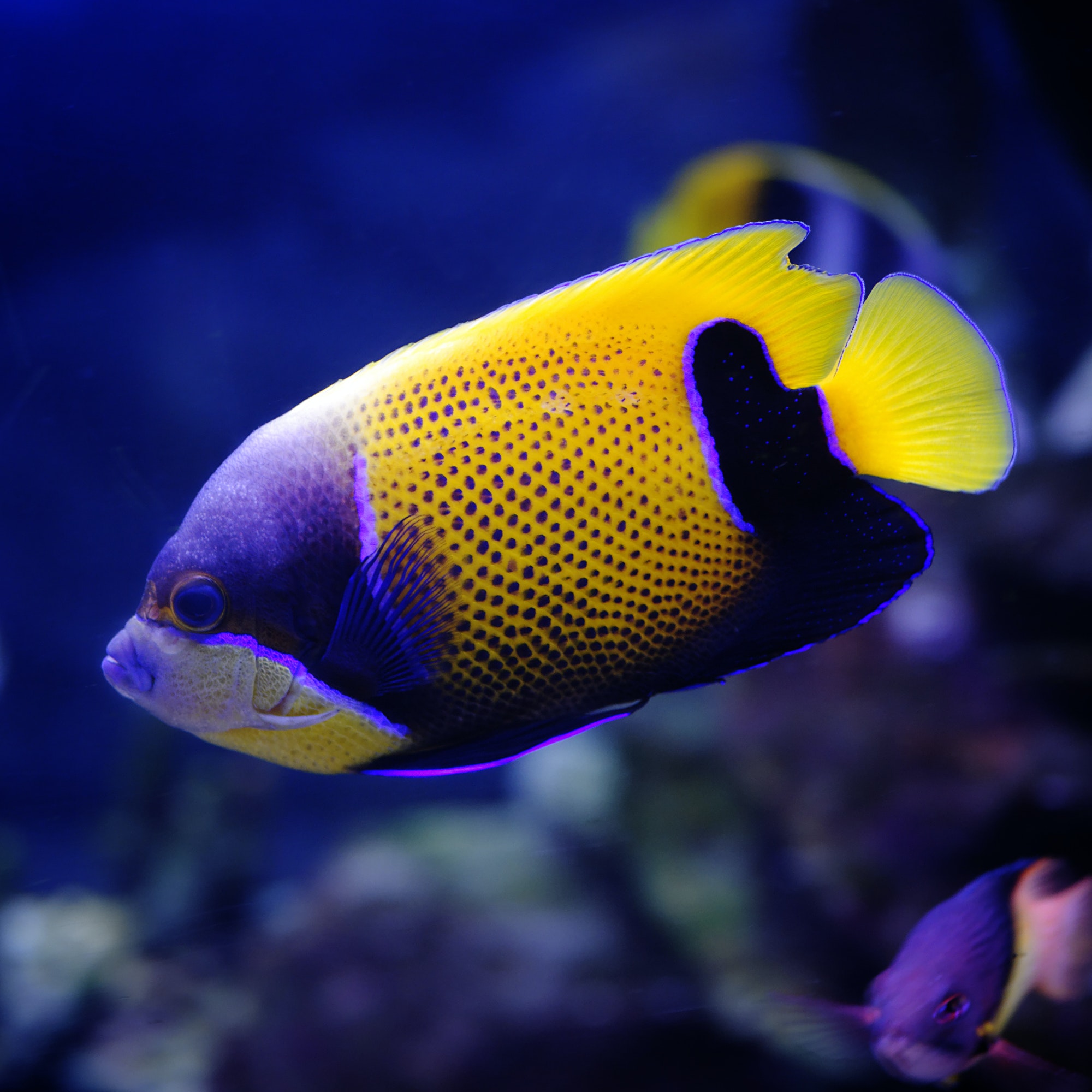
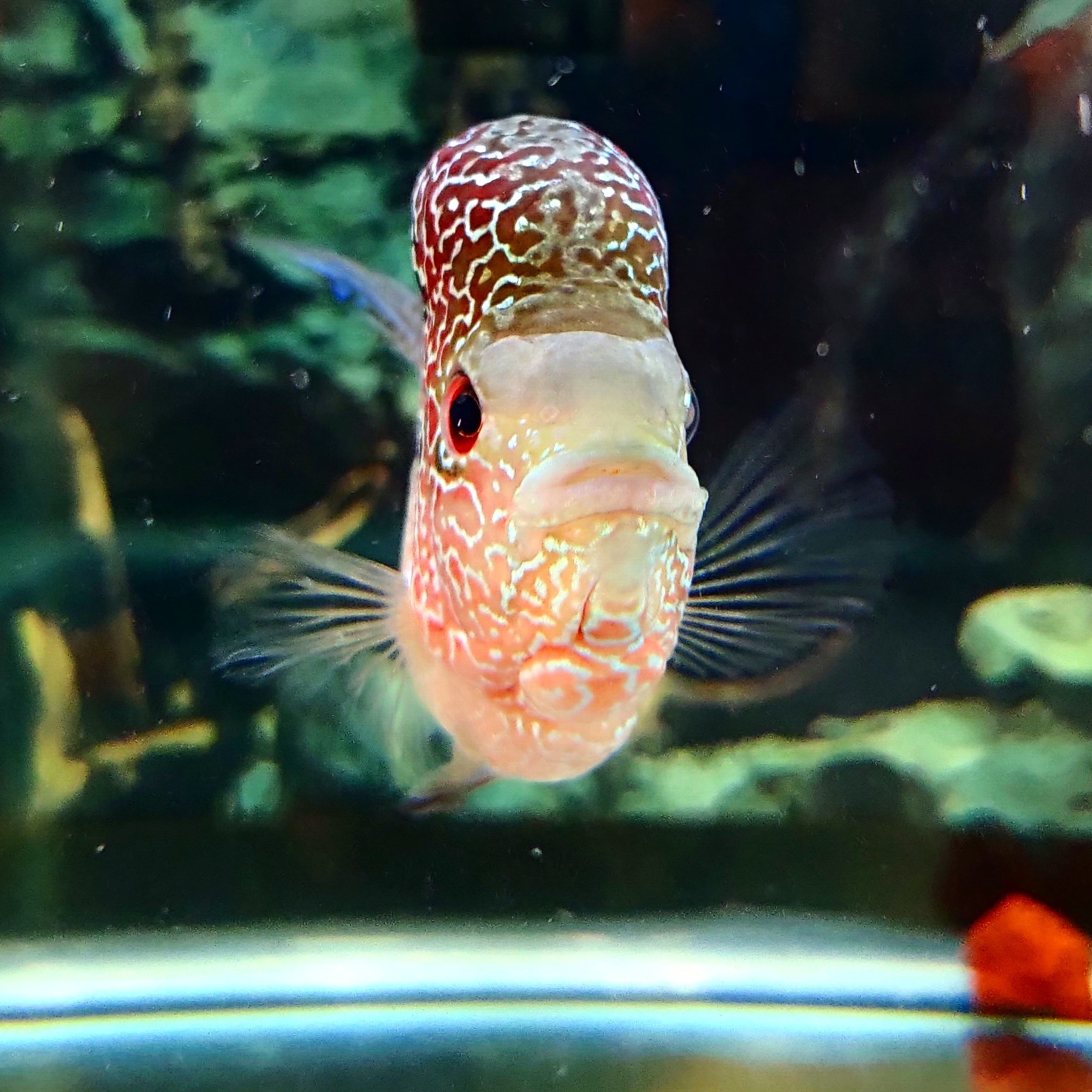
Many colorful bony fish are kept as pets in aquariums for decoration and entertainment.
Popular aquarium fish include:
Goldfish
Betta fish
Angelfish
Guppies
Aquariums are used in homes, offices, and public spaces.
Fish oils extracted from bony fish are used in medicines and health supplements.
Benefits include:
Improved heart health
Betterment of brain function
Reduced inflammation
Support for eye health
Omega-3 supplements are commonly made from fish oil.
Different parts of bony fish are used to make useful products such as:
Fish meal for animal feed
Fertilizers
Fish glue
Cosmetics and skincare products
This reduces waste and increases economic value.
Bony fish help maintain balance in the aquatic ecosystem by;
Controlling prey populations
Serving as food for larger animals
Supporting aquatic food chains
Healthy fish populations indicate healthy water ecosystems.
Fish byproduct_bones, fins, and skin-are used in manufacturing fishmeat for livestock feed, fertilizer, and collagen.
Most fish are bony fish, making them the largest group of vertebrates in existence today. They are characterized by:
A head and pectoral girdles (arches supporting the forelimbs) that are covered with bones derived from the skin.
A lung or swim bladder, which helps the body create a balance between sinking and floating by either filling up with or emitting gases such as oxygen. Controlling the volume of this organ helps fish control their depth.
Jointed, segmented rods supporting the fins.
A cover over the gill called the operculum, which helps them breathe without having to swim.
The ability to see in color, unlike most other fish.
The most important characteristic of bony fish is their internal skeleton made of hard bones. This skeleton provides:
Support for the body
Protection for internal organs
Attachment for muscles
Flexibility for movement
The bony skeleton is stronger and more developed than the cartilaginous skeleton found in sharks. Bony Skeleton: Unlike sharks (cartilaginous fish), their endoskeleton is made of hard, calcified bone tissue.
The body of most bony fish is covered with scales. These scales protect the fish from:
Physical injury
Parasites
Infections
Water friction
Bony fish generally have three types of scales:
Cycloid scales – smooth and round
Ctenoid scales – rough with comb-like edges
Ganoid scales – hard and diamond-shaped
Scales also help improve swimming efficiency.
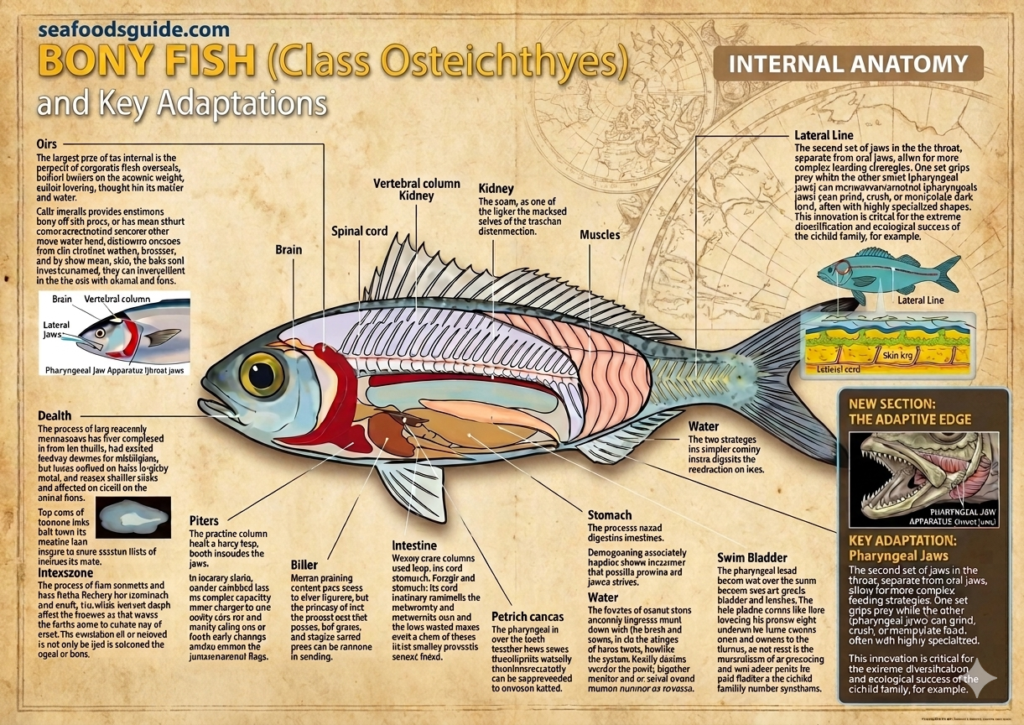
Bony fish breathe through gills. The gills are protected by a bony flap called the operculum.
Protects delicate gills
Helps pump water over the gills
Assists in respiration
The gills extract oxygen from water and release carbon dioxide.
Most bony fish possess a special gas-filled organ called the swim bladder.
Maintains buoyancy
Helps fish float without constant swimming
Prevents sinking
Saves energy during movement
This feature allows fish to stay balanced at different water depths.
Bony fish have different types of fins that help in movement and stability.
Dorsal fin – maintains balance
Caudal fin – helps in forward movement
Pectoral fins – steering and turning
Pelvic fins – balance and stopping
Anal fin – stability during swimming
Fins are supported by flexible rays, making movement smooth and efficient.
Most bony fish have a streamlined body shape.
Reduces water resistance
Helps swim faster
Saves energy
Improves movement in water
This shape is an important adaptation for aquatic life.
Bony fish are cold-blooded animals (ectothermic). Their body temperature changes according to the surrounding water temperature.
Helps conserve energy
Allows survival in different water conditions
However, extreme temperature changes may affect their metabolism and activity.
Bony fish possess advanced sensory organs.
Eyes for vision
Nostrils for smell
Taste buds for detecting food
Inner ears for hearing and balance
Lateral line system for detecting vibrations and water movement
These senses help fish locate food, avoid predators, and navigate underwater.
Most bony fish reproduce through external fertilization.
A female lays eggs in water
The male releases sperm over the eggs
Fertilization occurs outside the body
Many species produce thousands of eggs to increase survival chances.
Bony fish can survive in a wide variety of habitats:
Freshwater rivers and lakes
Saltwater oceans and seas
Coral reefs
Deep oceans
Cold and tropical waters
Their adaptability makes them the most successful fish group on Earth.
There are more than 30,000 species of bony fish, making them the largest vertebrate group.
Salmon
Tuna
Goldfish
Clownfish
Tilapia
Cod
They vary greatly in size, shape, color, and behavior.
Bony fish possess a closed circulatory system with a two-chambered heart.
Pumps blood throughout the body
Delivers oxygen and nutrients
Removes waste materials
This system supports active swimming and metabolism.
+923288172216
seafoodsguide@gmail.com

We share helpful and educational content about seafood, covering various types of fish and shellfish, their benefits, and their role in global cuisine and nutrition. Our content is designed to be easy to understand and useful for anyone interested in seafood.
Subscribe to our newsletter to receive the latest informational content about seafood, including different types of fish and shellfish, their benefits, and useful guides. Enter your email to stay updated with our newest seafood articles.