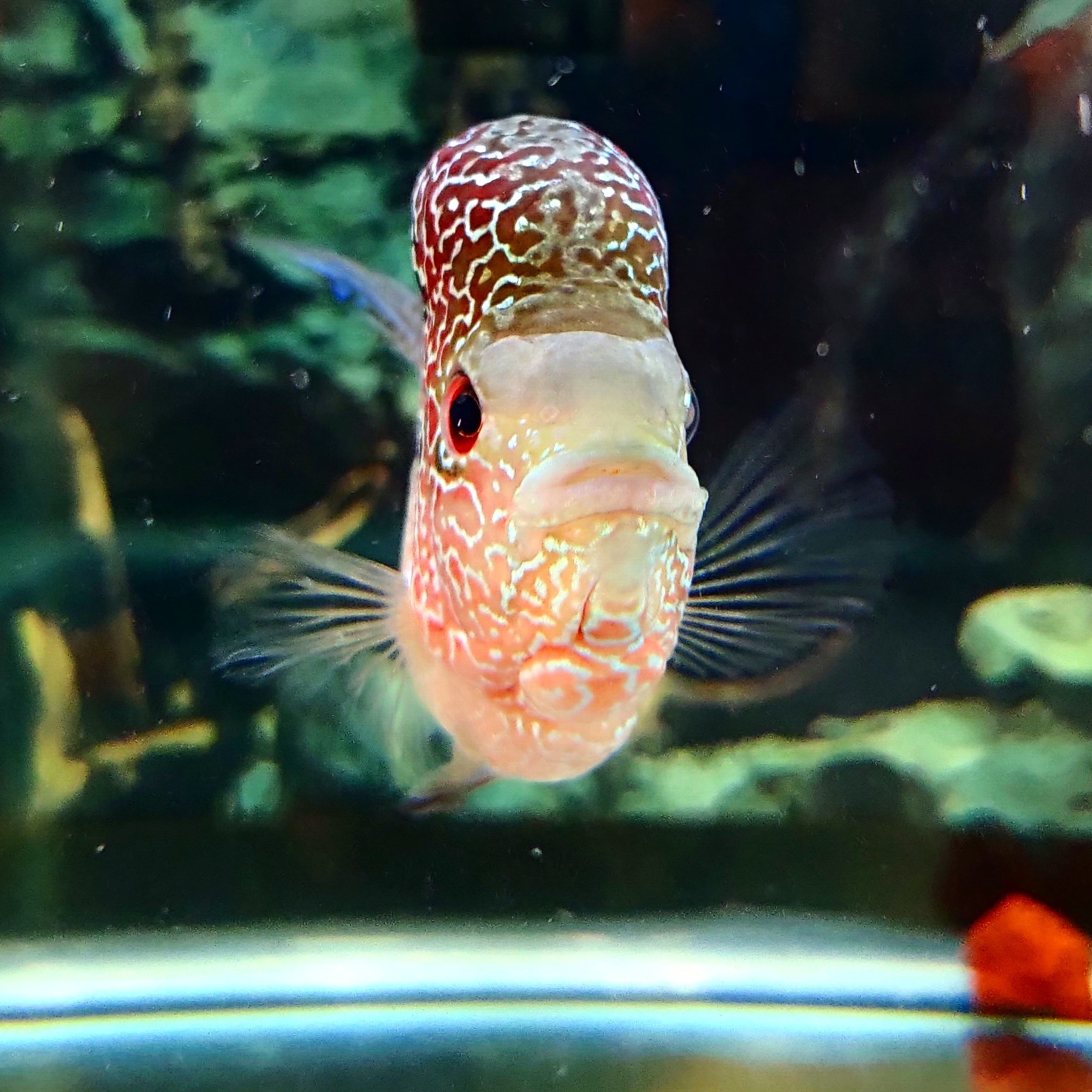

Welcome to my website. I have a complete guide about fish in this article.
Fish Physiology and Biochemistry is an international journal that focuses on all physiological aspects of fish. In this Fish Guide, we explore these aquatic, gill-bearing vertebrates, the most diverse group of vertebrates, with over 33,000 known species. They are classified into three groups: bony fish, cartilaginous fish, and jawless fish. Eating fish, as this Fish Guide highlights, offers numerous health benefits, from improved heart health to enhanced brain function. Fish are rich in omega-3 fatty acids and vitamins such as D and B2. Fisheries and aquaculture, as we discuss in this Fish Guide, support the livelihoods of nearly 10% to 12% of the global population. Fish also play a vital role in aquatic ecosystems by balancing the food chain and supporting biodiversity. All fish share two key traits: they live in water and have a backbone, making them vertebrates. They have also developed specialized senses; since water transmits sound, chemicals, and electricity better than air, fish rely less on vision and more on hearing, taste, and smell.
Oxford Languages defines fish as “a limbless cold-blooded vertebrate animal with gills and fins and living wholly in water.” They typically have: Gills for breathing, Fins for movement, and Scales covering their bodies. They are specially adapted to a wide variety of shapes, sizes, and colors. Most fish are streamlined in their general body form.
Fish are a diverse group of aquatic vertebrates that have lived on Earth for over 450 million years. At the same time, they come in a vast array of shapes and sizes, from tiny 8mm gobies to 60-foot whale sharks. Most share several core biological features that allow them to thrive underwater. There is also considerable variation among fish body forms.
Fish share some features :
Fish are completely adapted to living in water. Their bodies are designed to move easily through water and survive in different aquatic environments. Some fish live in saltwater, others in freshwater, and some can live in both
Fish breathe through special organs called gills. Gills allow fish to extract oxygen from water and release carbon dioxide. Water enters through the fish’s mouth and passes over the gill filaments, where oxygen is absorbed into the bloodstream. In bony fish, these are often protected by a hard plate called an operculum.
Fish use fins to swim and control their movement in water. The main fins include:
Dorsal fins keep the fish balanced.
Pectrol fins provide stability
Anal fin maintains balance
The caudal fin [tail] provides propulsion for swimming
Most fish have a streamlined body. Their bodies are generally tapered at both ends to minimize water resistance, allowing for efficient swimming
They can be as small as Trimmatom nanus [ 1cm long] or the endangered pygmy goby [Pandaka pygmaea], with females about 0.9 cm in length. The largest fish is the whale shark, which can be about 15 m long. Fish show a variety of shapes from dorso – ventrally flattened to laterally compressed butterfly. But the common shape, which resembles a torpedo, is cylindrical.
Fish are ectothermic, meaning their body temperature changes according to the surrounding water temperature. This allows them to survive in different environments, but also means they rely on water temperature for their metabolism.
Fish have two main types of skeletons:
Bony skeletons: made of bone
Cartilaginous skeletons: made of cartilage.
Cartilage is softer and more flexible than bone.
Many bony fish have an internal organ called a swim bladder. This gas-filled structure helps fish control their buoyancy so they can stay at different depths without constantly swimming
Fish have a sensory system called the lateral line that runs along their bodies. This system helps them detect vibrations and movements in the water. It allows fish to locate prey, avoid predators, and swim in groups.
Internal Ears: While they lack external ears, they have internal hearing organs that detect sound vibrations through the water.
No Eyelids: Most fish cannot close their eyes or blink because they lack eyelids.
Electroreception: Some species, like sharks and rays, can sense the weak electrical fields emitted by other animals to locate prey.
Most fish reproduce by laying eggs. However, some species give birth to live young. Fertilization usually occurs outside the body in water.
Lorem ipsum dolor sit amet, consectetur adipiscing elit, sed do eiusmod tempor incididunt ut labore et dolore magna aliqua. Ut enim ad minim veniam quis nostrud exercitation ullamco laboris. Vivamus lectus metus, efficitur nonarcu.

Fish habitat is the natural water environment where fish live, including freshwater, saltwater, and mixed-water ecosystems. Their habitat depends on the species.
Main Types of Fish Habitats
Found in rivers, lakes, and streams
Low salt content
Examples: carp, tilapia, catfish
Water condition can change quickly [temperature, flow ]
Found in oceans and seas
High salt content
Example: tuna, salmon, and sharks
Includes coral reefs, open ocean, and deep-sea zones
Mix of freshwater and saltwater
Found in estuaries, mangroves, and coastal areas
Examples: mudskippers, some species of bass
Very rich in nutrients, so many fish grow here
Located in the deep parts of the oceans
Very dark, cold, and high pressure
Fish have special adaptations [ like glowing bodies ]
Temperature – some fish prefer warm water, others cold water
Oxygen level – essential for survival
Salinity – determines freshwater vs saltwater species
Light availability – affects feeding and behaviour
Food supply – plankton, plants, or smaller fish
A healthy fish habitat must provide specific elements for survival, including :
Shelter: Areas for production from predators, such as mangroves, underwater vegetation, or legs.
Spawning Grounds: Specific locations with suitable substrate [ gravel, plants ] where fish lay eggs.
Feeding Grounds: Areas where prey is available, such as insects, smaller fish, or algae.
Migration Routes: Connections between feeding, spawning, and rearing areas.
Pelagic: Fish that live in the open ocean, such as tuna.
Demersal: Fish that live on or near the sea floor, such as flatfish.
Littoral/Coastal: Shallow areas near the shore, often rich in vegetation and high-value for rearing juveniles.
Some fish species, such as salmon, migrate between freshwater and saltwater habitats during their life cycle.
The provision of sufficient fish to meet all needs, and its distribution throughout the community at a cost all can meet, is the first essential, but it is by no means all. Once a family has fish, the second basic problem is how the fish is used, and whether it reaches those who most need it.
Fish are used in many ways:
Aquaculture is the farming of fish in controlled environments such as ponds, tanks, or cages.
Increases fish production
Reduces pressure on wild fish
Provides employment
Water pollution
Disease management
Traditional fishing [ nets, hooks ]
Commercial fishing [ trawlers ]
Modern techniques [ sonar technology ]
Fish populations are facing many dangers:
Overfishing
Water pollution
Climate change
Habitat destruction
Protecting fish is essential for the future
Sustainable fishing practices
Marine protected areas
Government regulations
Public awareness
Fish play a vital role in human health, the global economy, and the balance of our natural ecosystem. They provide food, support ecosystems, and create jobs for millions of people worldwide. Below are the main reasons why fish are important. They are a primary source of high-quality protein and essential nutrients, often difficult to obtain from other foods.
Fish is widely considered one of the healthiest foods on the planet.
Essential Nutrients: It is a rich source of high-quality protein, iodine, and various vitamins and minerals. Fatty fish [ like salmon, trout, and sardines ] are particularly high in Vitamin D, a nutrient many people lack.
Heart Health: Regular consumption is strongly linked to a lower risk of heart attacks and stroke due to high levels of Omega-3 fatty acids.
Brain & Eye Development: Omega-3s, specifically DHA, are crucial for brain and eye development, making fish especially important for pregnant and breastfeeding women.
Mental Well-being: Studies suggest that people who eat fish regularly are less likely to become depressed and may experience slower mental decline as they age.
Disease Prevention: Bioactive compounds in fish may help combat hypertension, inflammation, and certain cancers.
The fishing and aquaculture sectors are major drivers of the global economy, supporting hundreds of millions of people. Many people depend on fishing for a livelihood, including fishermen, fish farmers, processors, and traders.
Livelihoods: Fisheries and aquaculture provide income for an estimated 660 to 820 million people worldwide.
Food Security: Fish is the cheapest source of animal protein in many developing countries, providing over 30 % of the animal protein supply for roughly 60 % of their populations.
Exporting Revenge: For many nations, fish is a primary export, sometimes accounting for up to 30 % of their total fiscal revenue.
Byproducts: Fish waste is processed into valuable products like fish oil, fish meal for livestock, and even gelatin or collagen for industrial use.
Fish are used in scientific research and medical studies. Some fish oils are used to produce medicine and health supplements that support heart and brain health.
Fish is low-fat, high in protein, and an excellent source of Omega-3 fatty acids. Regular consumption of fish can reduce the risk of various diseases and disorders. Some research findings indicate the following:
Asthma: Children who eat fish are less likely to develop asthma.
Cancer: The Omega-3 fatty acids in fish reduce the risk of many types of cancers by 30 to 50 percent, especially of the oral cavity, oesophagus, colon, breast, ovary, and prostate.
Dementia: Elderly people who eat fish or seafood at least once a week may have a lower risk of developing dementia, including Alzheimer’s disease.
Depression: People who regularly eat fish have a lower incidence of depression. Depression is linked to low levels of Omega-3 fatty acids in the brain.
Prematurity: Eating fish during pregnancy may help reduce the risk of delivering a premature baby.
Cardiovascular disease: Eating fish every day reduces the risk of heart disease and stroke by reducing blood clots and inflammation, improving blood vessel elasticity, lowering blood pressure, lowering blood fats, and boosting good cholesterol.
Diabetes: Fish may help people with diabetes manage their blood sugar levels.
Fish can act as indicators of water quality and environmental health. If fish populations decline, it often signals pollution or environmental problems in aquatic ecosystems.
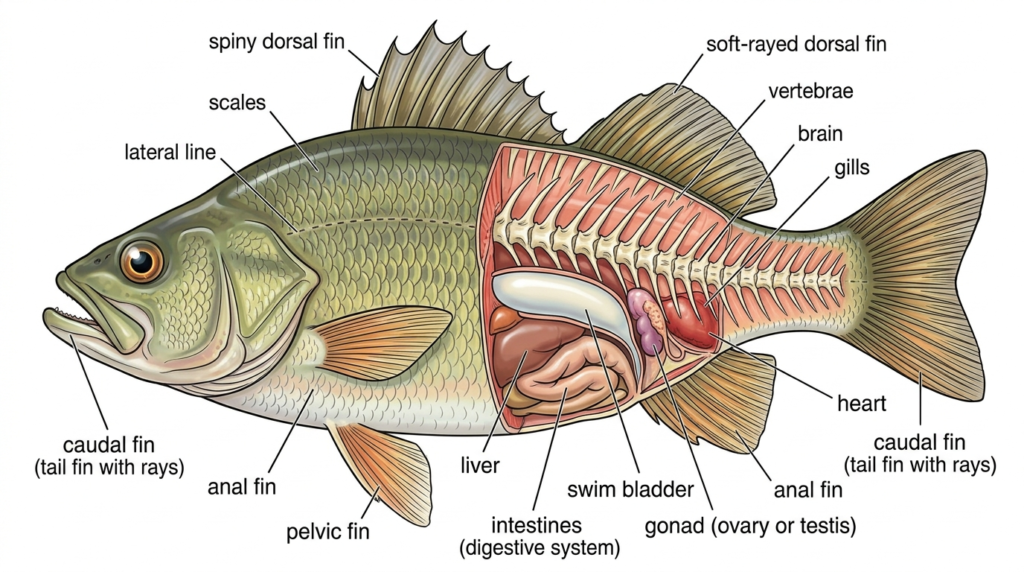
Fish have a simple but highly efficient body structure.
Fins: Help in movement and balance
Scales: Protect the body
Eyes: Help in vision underwater
Mouth: Used for feeding
Gills: For breathing
Heart: Pumps blood
Swim bladder: Helps in floating
Fish go through several stages during their life.
Most fish reproduce by laying eggs, although some species give birth to live young.
Fish have different diets depending on their species.
Herbivorous Fish: Eat plants and algae
Carnivorous Fish: Eat other animals
Omnivorous Fish: Eat both plants and animals
+923288172216
seafoodsguide@gmail.com

We share helpful and educational content about seafood, covering various types of fish and shellfish, their benefits, and their role in global cuisine and nutrition. Our content is designed to be easy to understand and useful for anyone interested in seafood.
Subscribe to our newsletter to receive the latest informational content about seafood, including different types of fish and shellfish, their benefits, and useful guides. Enter your email to stay updated with our newest seafood articles.