

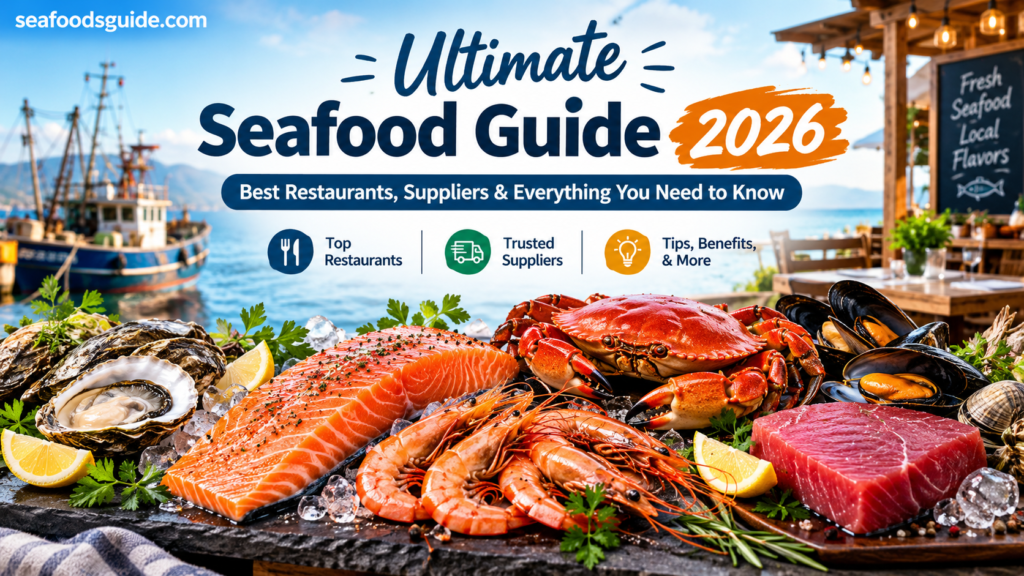
Seafood has become one of the most talked-about food trends of the decade. As diners look for lighter, more sustainable alternatives to red meat, and as the North Sea coast of the Netherlands continues to supply some of Europe’s freshest catch, seafood culture in cities like Amsterdam has flourished. Whether you’re planning a trip to try the best seafood restaurants in Amsterdam, looking for a reliable Dutch seafood supplier for your restaurant, or just want to know what really counts as “seafood,” this guide covers it all.
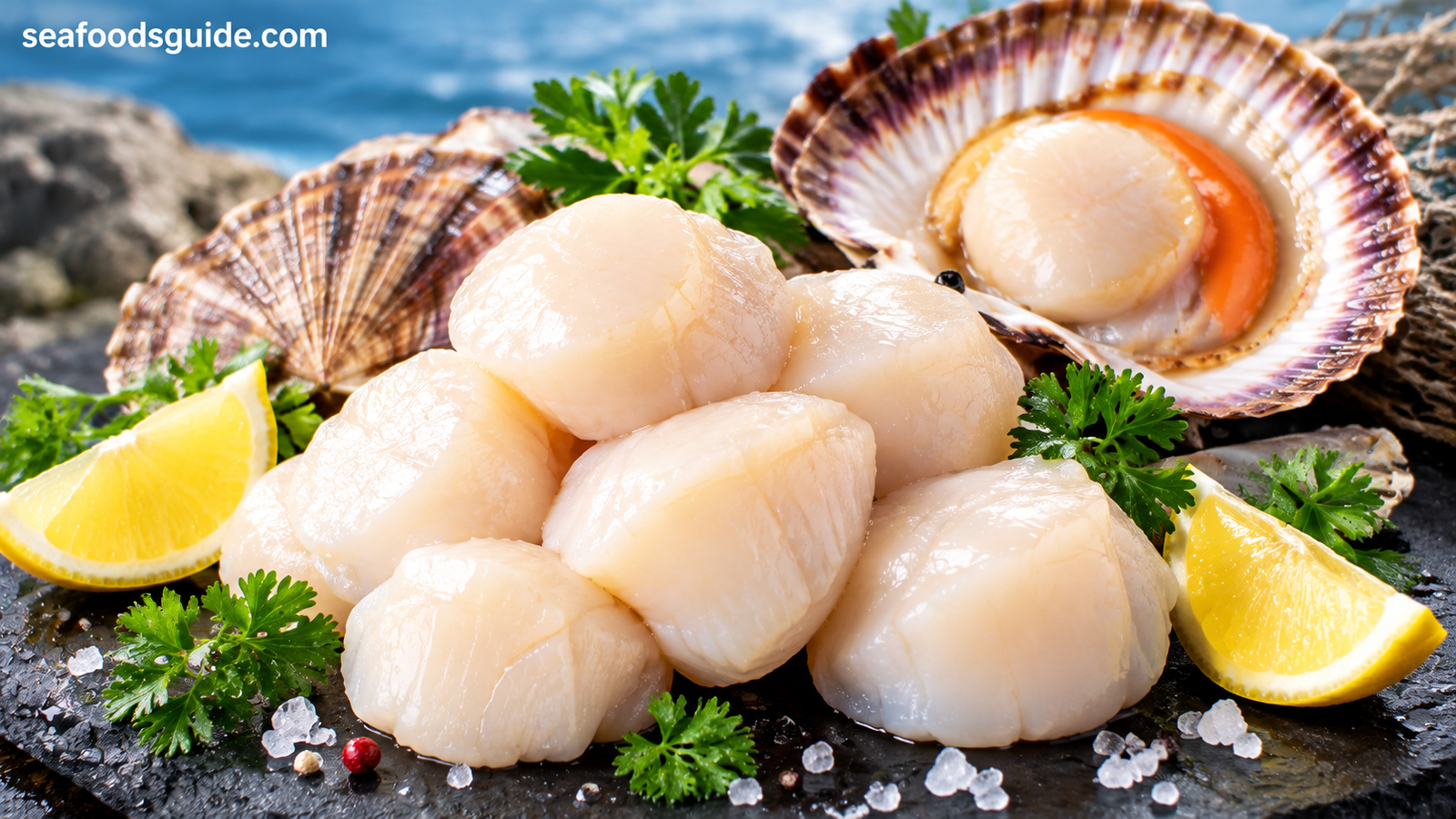
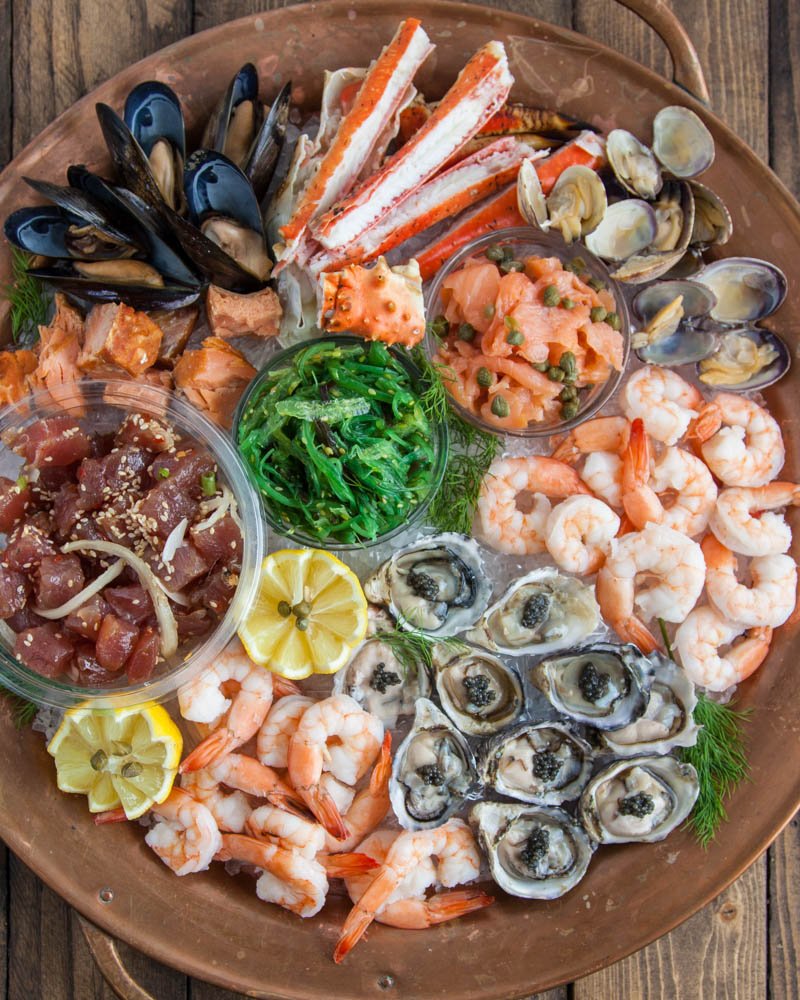
Seafood refers to any edible aquatic animal, excluding mammals, and includes aquatic and marine species. That means bony fish, sharks, rays, and lampreys, along with crustaceans (lobster, crab, shrimp, prawns, crayfish), mollusks (clams, oysters, mussels, scallops, snails), cephalopods (squid, octopus, cuttlefish ur.), and even
Seafood vs. Seafood. meat protein: Fish lean muscle provides 18-25% protein by weight — similar to beef or chicken — but with fewer calories per gram of protein. This efficiency is a big reason why seafood has become the protein of choice for health and climate-conscious consumers.
Some categories to be aware of:
Crustaceans – lobster, crab, shrimp, shrimp, crab
Shellfish – clam, oyster, mussel, scallop, snail, abalone
Cephalopods – pussy, guitar, cuttlefish
Roe and caviar – fish eggs, which used to be a cheap delicacy before sturgeon stocks plummeted and caviar became a luxury
Because of the perishable nature of fish, much of the world’s catch is traditionally smoked, salted, pickled, or fermented — techniques that survive refrigeration are no longer necessary, because people love the flavor. When cooking fresh fish, a general rule of thumb is about 10 minutes of cooking time per inch of thickness, double that for frozen fish.
With global demand for fish increasing and wild stocks under pressure, sustainability has gone from a buzzword to a buying criterion. Marine Protected Areas (MPAs) — zones of the ocean managed under special conservation rules — now cover a significant proportion of the world’s oceans, although they fall short of the 30% target set by governments for 2030 under the High Seas Treaty MPAs work by restricting or restricting commercial fishing, mining, and other extractive activities, giving fish populations space to recover and helping to strengthen marine ecosystems more broadly. For everyday consumers and restaurants, this means simple behavior: look for certifications like ASC (Aquaculture Stewardship Council), MSC (Marine Stewardship Council), or Global GAP when buying wild-caught or wild-caught fish. These labels indicate that the fish comes from audited and sustainably managed operations.
Amsterdam’s seafood scene has moved beyond the stiff, white coat stereotype. Today’s seafood restaurants range from casual neighborhood spots to fancy destinations with tasting menus, and with the North Sea just around the corner, freshness is rarely an issue.
Here are eight standouts worth booking:
The Marlin Bar (Van Baerlestraat, Oud-Zuid) — Classic and elegant, with a seafood-forward French menu. Signature dishes include fragrant bouillabaisse, gravlax with potato rösti, and seasonal halibut with white asparagus and clams. The wine cellar is a highlight, especially for lovers of Rhône-style blends.
Vis aan de Schelde (Zuid) — The top option on this list, offering oysters, caviar, lobster, and a monthly changing chef’s menu. Expect fine dishes like haddock with scallop and black venus rice, or monkfish wrapped in pancetta.
Pesca (Jordaan) — Billed as the “Theater of Fish,” Pesca allows diners to select their catch by weight from a market-style display, with dynamic prices that decrease throughout the day to reduce waste. Standouts include softshell crab with mango and jalapeño, and some of the best patatas bravas in town.
The Good Companion (Jordaan) — A local favorite serving British-style fish and chips since 2017, made almost entirely with fish caught off the Dutch coast. The menu also features ceviche, oysters cooked in various ways, grilled seabass, and canned sardines.
The Seafood Bar (multiple locations) — Known for its towering fruits de mer platters, topped with lobster, oysters, clams, and winkles. Pair with chilled Sancerre for full effect.
Brut de Mer (De Pijp) — A lively spot in Gerard Douplein specializing in oysters, lobster, fresh fish, and Champagne, with a popular street terrace for people watching.
Mossel & Gin (Westerpark) — Exactly what it sounds like: mushrooms served in five different sauces (classic, beer-based, Japanese, Thai, and cheese), paired with an extensive gin and tonic list. The outdoor terrace is especially popular in the summer.
Sj Afriqueshe (De Pijp) — A Peruvian ceviche specialist offering six dishes, from classic corn and onion ceviche to a sweeter version of shrimp and haddock with coconut milk and pumpkin purée. Best enjoyed with pisco sour.
Popular Dishes To Try
If you only remember a few dishes to order, make yourself: fruits de mer platters, fresh oysters, ceviche, fish and chips, and moules marinières (classic mussels in white wine).
Some practical notes for visitors:
Getting there: Schiphol Airport is well connected; the Eurostar is a relaxed alternative from London, Paris, or Brussels.
Getting around: Amsterdam is small and easy to get around, with a strong public transport system — bike rentals are the local game.
Where to stay: Options range from posh canal hotels to boutique, quirky accommodations — pick a place close to the restaurants you want to try.
Tours: Canal boat trips and dedicated food tours are easy ways to sample multiple sites in one day.
Beyond Amsterdam, the Michelin Guide points to a strong line-up of fish and seafood restaurants across the country — several of them in coastal towns known for their direct catch from the North Sea.
Bridges – Amsterdam
Visandeschelde – Amsterdam
Salty Seafood Restaurant – Zwolle
Kok Verhoeven – Tilburg
Zeezout – Rotterdam
Caught by Simonis – The Hague
Oesterput 14 – Yerseke
Oesterbeurs – Yerseke
Nolet’s Vistro – Yerseke
Hostel des Moulins – Philippines
De Mandemaaker – Spakenburg
‘t Packhouse – Oudeschild
Yerseke, in particular, is worth noting as a mini seafood hub — home to three different Michelin-listed restaurants, thanks to its longstanding reputation as the oyster and mussel capital of the Netherlands.
Behind every great seafood restaurant is a reliable supply, and Urk — an island turned fishing village in Flevoland — remains one of the most important seafood trading centers in the country.
Dutch wholesalers like Urker Seafood cater to restaurants, sushi bars, and other food service businesses, offering:
Daily fresh fish (dagverse vis) nationwide delivery, often same day if ordered before early morning hours
Business ordering on invoicing, including weekly invoicing consolidation
A complete product range spanning rondvis (round fish), platvis (flatfish), schelpdier (shellfish), and diepvries (frozen) categories
Specific products such as smoked and smoked salmon, salmon fillets, tuna, and sea bass
Sushi-specific ingredients, including sushi rice, tempura flour, and gyoza wrappers — useful for restaurants with a fish counter and sushi program
For restaurants and caterers, working directly with a specialty vendor like this usually means a better price by weight and faster reordering than sourcing from general food distributors.
In wholesale and export, companies like AnT Seafood — headquartered in Urk and production in Turkey — specialize in Mediterranean aquaculture, particularly farmed sea bass, sea bream, and rainbow trout. Their model relies on tight geographic integration: fish are harvested, processed, and packaged within a 20-kilometer radius in Turkey before being shipped to cold stores across the Netherlands, Germany, and the UK.
These suppliers typically serve four main markets:
Retail – packaged fresh and frozen produce for supermarkets and specialty stores
Wholesale – bulk supply to food distributors and retailers
Food services – fillet portions and value-added products for restaurants and caterers
Industrial – bulk products for processors and manufacturers
Quality control in this space is typically backed by certifications such as ASC, BRC, Global GAP, and MSC, along with private-label packaging options for retailers looking to sell fish under their own brands.
From buzzing seafood bars in Amsterdam to Michelin-starred restaurants scattered along the Dutch coast, and from small wholesalers in Urk to international aquaculture exporters, the Dutch seafood ecosystem runs deep. Whether you’re a traveler looking for the best fruits de mer platter in Jordaan or a restaurant owner looking for fresh salmon every day, there’s a good supply — and a strong food culture — behind every plate.
Seafood Restaurants Amsterdam Ultimate Seafood Guide 2026: Best Restaurants,...
+923288172216
seafoodsguide@gmail.com

We share helpful and educational content about seafood, covering various types of fish and shellfish, their benefits, and their role in global cuisine and nutrition. Our content is designed to be easy to understand and useful for anyone interested in seafood.
Subscribe to our newsletter to receive the latest informational content about seafood, including different types of fish and shellfish, their benefits, and useful guides. Enter your email to stay updated with our newest seafood articles.