

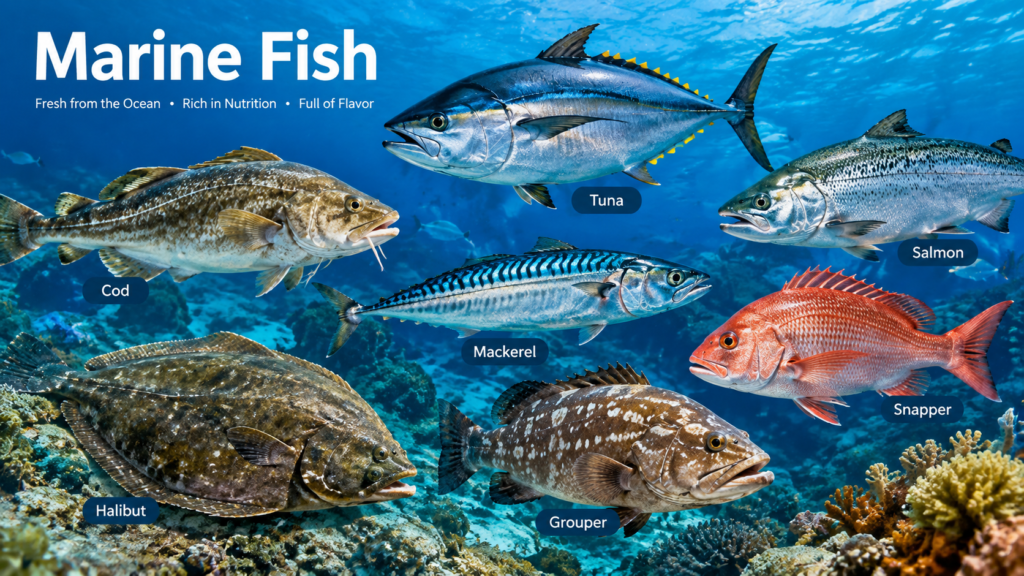
Marine Fish

Marine Fish

What Is a Marine Fish? Species, Types & Beginner Picks

Introduction 

Ever stared into a saltwater aquarium and wondered what actually makes a marine fish different from the goldfish in your childhood tank? You’re not alone. Millions of people confuse “marine fish” with any fish that simply lives in water, and that mix up leads to costly mistakes for new aquarium owners.

A marine fish is any fish species that lives its entire life cycle in saltwater environments like oceans and seas, relying on specialized gills and kidneys to survive high salt concentrations. Scientists have documented roughly 16,000 to 20,000 marine fish species worldwide, ranging from tiny gobies to massive groupers. This guide breaks down exactly what defines a marine fish, how these species differ biologically from freshwater fish, which species you’ll encounter most often, and which ones make sense if you’re setting up your first saltwater tank. You’ll walk away knowing the difference on sight and in practice.


Table of Contents

What Is a Marine Fish?

A marine fish is any fish species that spends its entire life in saltwater, such as oceans, seas, and coral reefs. Unlike freshwater fish, marine fish have evolved specialized organs that let them survive in water far saltier than their own blood. This single adaptation shapes almost everything about how they eat, breathe, and reproduce.

Scientists classify marine fish into two broad groups:

  • Bony fish (Osteichthyes): This group includes the vast majority of marine species you’ll recognize, such as tuna, snapper, and clownfish. They have skeletons made of bone and typically lay large numbers of eggs.
  • Cartilaginous fish (Chondrichthyes): Sharks, rays, and skates fall into this category. Their skeletons are made of cartilage instead of bone, and many give birth to live young rather than laying eggs.

.

Marine Fish vs. Freshwater Fish: Key Differences

The core difference between marine fish and freshwater fish comes down to osmoregulation, or how each type manages salt and water balance in its body. Marine fish live in water saltier than their blood, so they constantly lose water through their skin and gills. Freshwater fish face the opposite problem: water constantly seeps into their bodies because their surroundings are less salty than their blood.

Here’s how that plays out physically:

TraitMarine FishFreshwater Fish
Environment salinityHigher than body fluidsLower than body fluids
Drinking behaviorDrinks seawater constantlyRarely drinks water
Urine outputSmall, concentratedLarge, dilute
Salt handlingExcretes excess salt via gill chloride cellsAbsorbs salt through gills
Known speciesRoughly 16,000 to 20,000Roughly 18,000

To survive saltwater, marine fish rely on specialized chloride cells in their gills that actively pump out excess salt. Their kidneys work overtime too, producing tiny amounts of highly concentrated urine to conserve water. This is exactly why a marine fish dropped into freshwater will rapidly swell with water and die within hours; its kidneys simply can’t handle the sudden influx.

A few species, called euryhaline fish, can tolerate both environments. Salmon and eels are classic examples, switching their internal chemistry as they migrate between rivers and oceans.
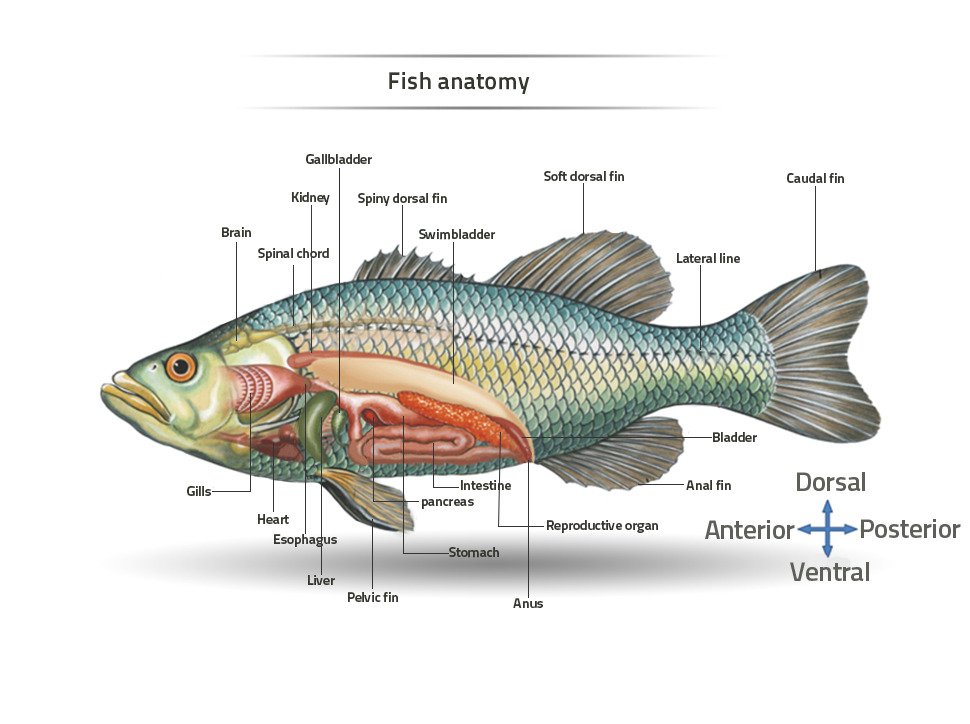
Marine fish structure

Types of Marine Fish

Marine fish are typically grouped a few different ways, depending on whether you’re looking at biology, habitat, or behavior.

By skeletal structure (taxonomy)

  • Bony fish (Osteichthyes): The vast majority of marine species, including clownfish, tuna, snapper, grouper, and angelfish. They have bone skeletons and usually lay large numbers of eggs.
  • Cartilaginous fish (Chondrichthyes): Sharks, rays, and skates. Their skeletons are made of cartilage, and many species give birth to live young instead of laying eggs.

By habitat zone

  • Reef fish: Live in and around coral reefs, like clownfish, butterflyfish, and tangs. Reefs cover under 1% of the ocean floor but support roughly a quarter of all marine fish species.
  • Pelagic fish: Roam the open water column, built for speed and long distance travel. Tuna, mackerel, and marlin fall here.
  • Demersal (benthic) fish: Live near or on the ocean floor. Flounder and many grouper species are classic examples, often camouflaged against sand or rock.
  • Coastal and estuarine fish: Live where rivers meet the sea, in brackish or shifting salinity conditions. Snapper and juvenile reef fish often start here before moving to deeper water.

By diet

  • Herbivores: Graze on algae, like tangs and some angelfish.
  • Carnivores: Hunt other fish or invertebrates, like grouper and many wrasses.
  • Omnivores: Eat a mix of both, like clownfish and damselfish.

Where Marine Fish Live

Marine fish inhabit every layer of the ocean, from sunlit shallows to pitch black trenches thousands of feet down. Where a species lives largely determines its body shape, coloring, and feeding habits, which is why ocean habitat is such a useful lens for understanding marine fish diversity.

The main habitat zones include:

  • Coral reefs: These cover less than 1% of the ocean floor yet support roughly a quarter of all marine fish species. Clownfish, butterflyfish, and angelfish all call reefs home.
  • Pelagic zone: This is the open water column away from the coast or seafloor. Fast swimmers like tuna, mackerel, and marlin dominate here, built for long distance travel and speed.
  • Benthic and demersal zones: These are the ocean floor and the waters just above it. Flounder, grouper, and many bottom dwelling species live here, often camouflaged against sand or rock.
  • Coastal and estuarine waters: Where rivers meet the sea, brackish conditions support species like snapper and some juvenile reef fish before they move to deeper water.

The Coral Triangle, spanning Indonesia, the Philippines, and Papua New Guinea, is widely recognized as the epicenter of marine fish biodiversity, hosting more reef fish species than anywhere else on Earth. If you’re wondering why aquarium hobbyists prize certain species so highly, it often traces back to how rare or geographically limited their wild habitat actually is.

Most Common Marine Fish Species

The most common marine fish species people encounter, whether snorkeling, fishing, or shopping for an aquarium, span a wide range of families and habitats. Knowing these species by name and appearance helps you recognize marine biodiversity at a glance.

Here are some of the most recognizable marine fish species:

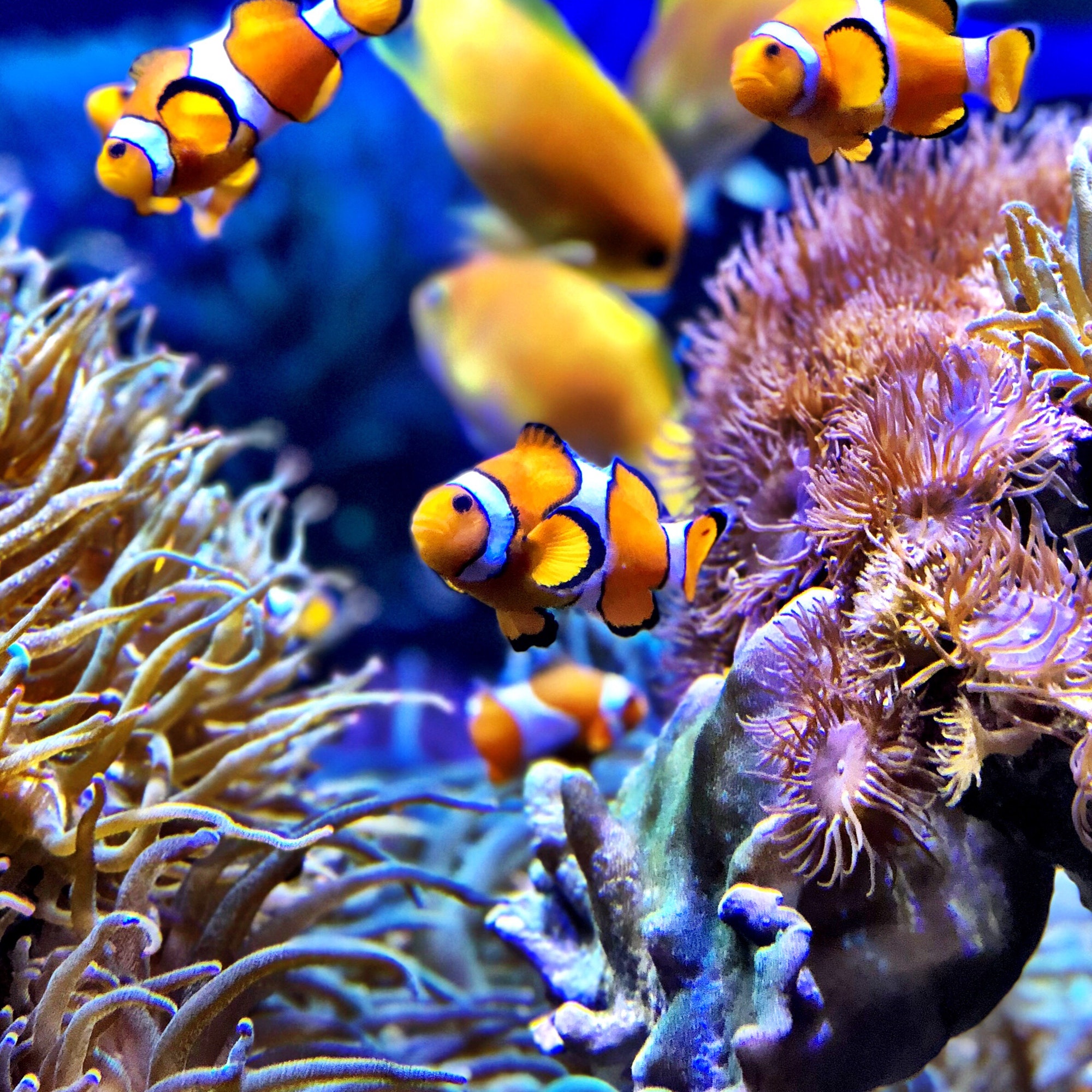
  • Clownfish (Amphiprion ocellaris): Famous for their symbiotic relationship with sea anemones, clownfish are hardy, colorful, and among the most widely recognized marine fish worldwide.
  • Yellow Tang (Zebrasoma flavescens): A bright yellow reef grazer popular in aquariums, though it needs plenty of swimming space as an adult.
  • Snapper (Lutjanidae family): A large family of commercially important fish found in coastal and reef waters, prized both as food fish and for sport fishing.
  • Grouper (Epinephelinae subfamily): Large, slow moving predators found near reefs and rocky structures, some species growing to over 100 pounds.
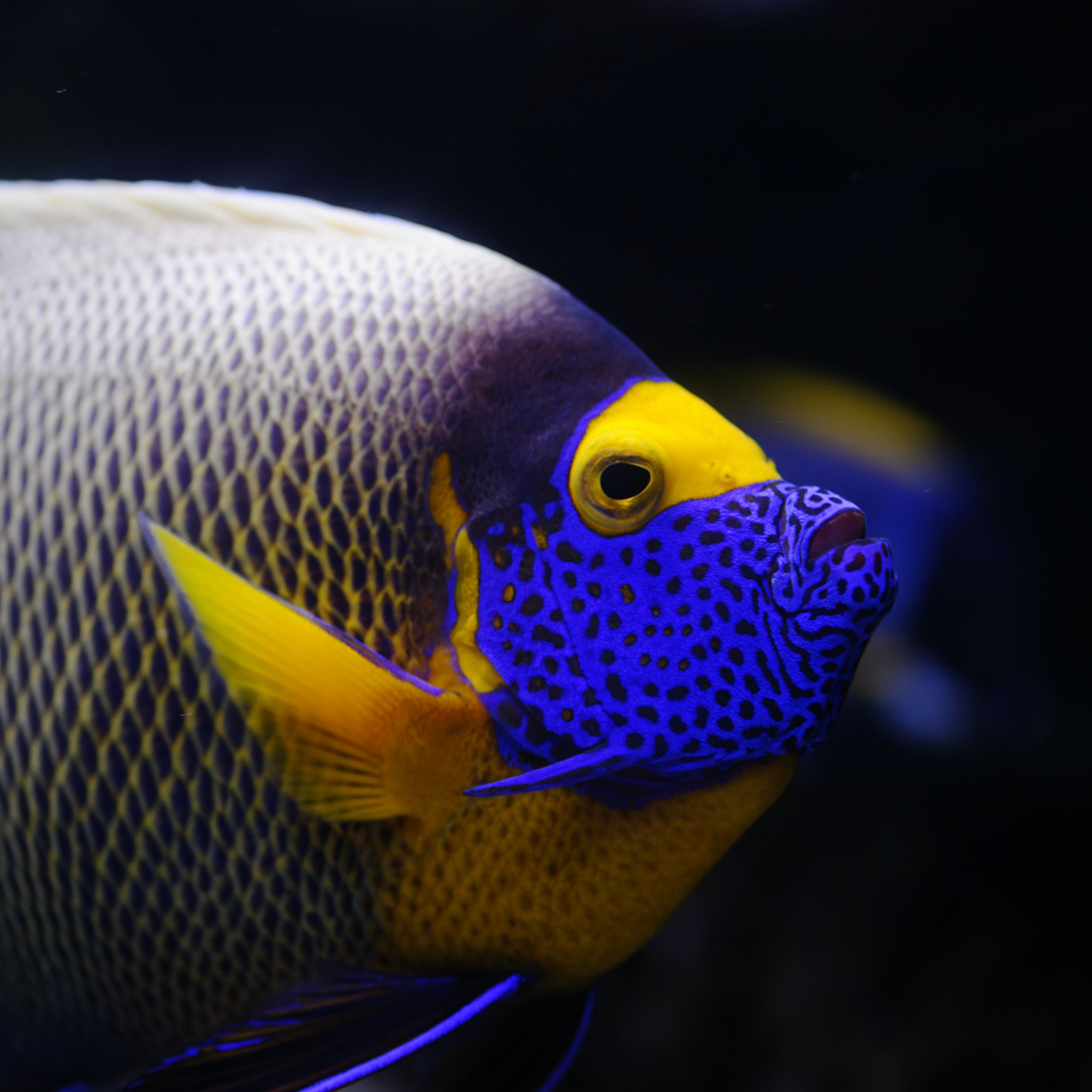
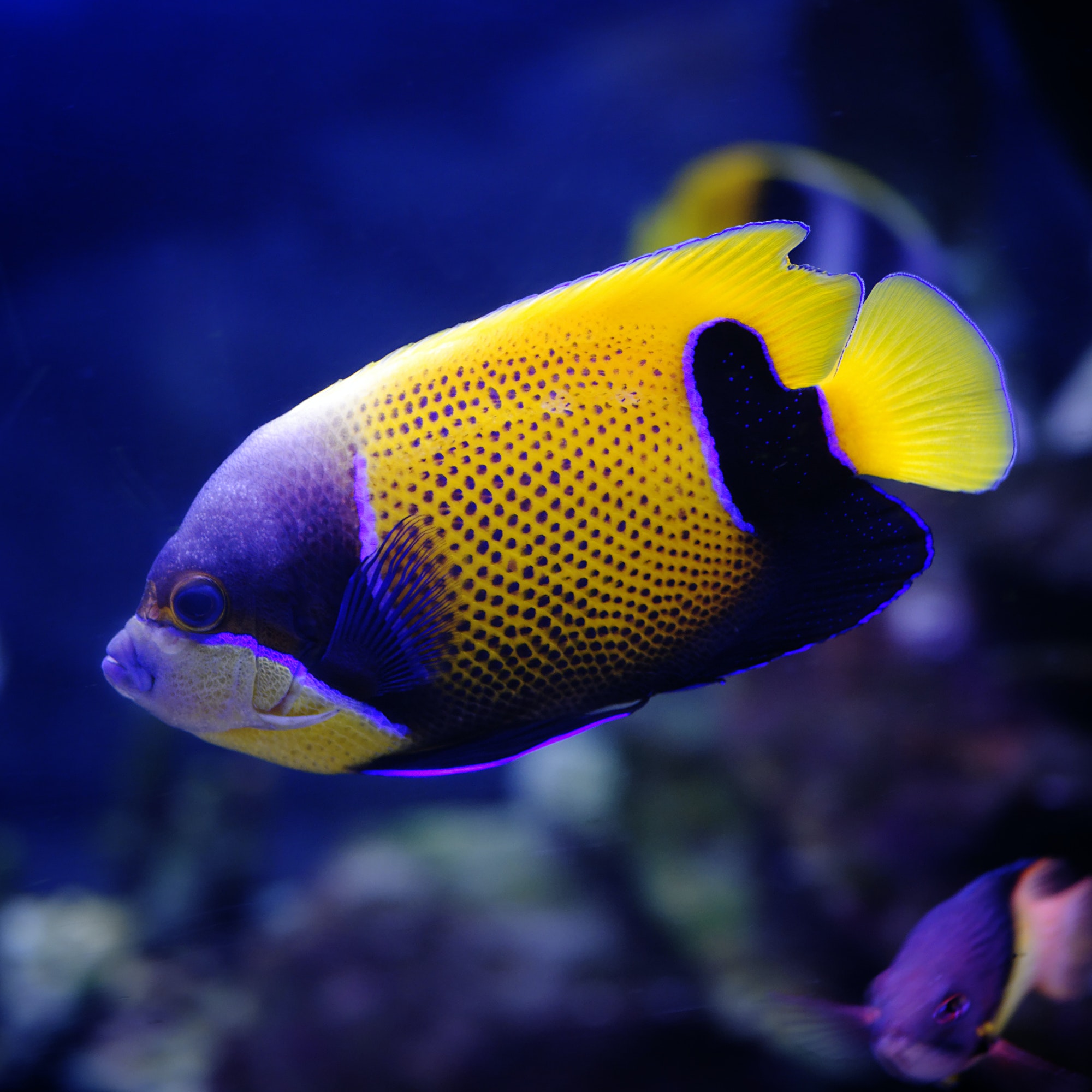
  • Angelfish (Pomacanthidae family): Known for vivid patterns and flattened bodies, ranging from small dwarf species to larger reef dwellers.
  • Wrasse (Labridae family): One of the most diverse marine fish families, with species ranging from tiny cleaner wrasses to massive Napoleon wrasses.
  • Butterflyfish (Chaetodontidae family): Thin, disc shaped reef fish often seen in pairs, feeding on coral polyps and small invertebrates.
  • Sharks and rays (Chondrichthyes class): Cartilaginous marine fish ranging from small reef sharks to massive whale sharks, representing an entirely different branch of fish evolution.

Each of these species plays a distinct ecological role, from coral grazing to predator control, which keeps reef ecosystems balanced.

Best Marine Fish for Beginners (Aquarium)

If you’re setting up your first saltwater tank, the best marine fish for beginners are species known for hardiness, affordability, and tolerance of minor water quality swings. Choosing the right starter fish makes the difference between an enjoyable hobby and a frustrating, expensive one.

Here are the top beginner-friendly marine fish:

  • Ocellaris Clownfish: Extremely hardy and adaptable, this is often the first fish new saltwater owners buy. It tolerates a wide range of conditions and doesn’t require an anemone to thrive.
  • Damselfish: Inexpensive and colorful, damselfish handle imperfect water conditions well. They can turn territorial in small tanks, so give them adequate space.
  • Chromis (Blue or Green): Peaceful schooling fish best kept in groups of six or more. They add movement and life without aggression.
  • Banggai Cardinalfish: Calm, slow moving, and easy to feed. A great choice for smaller reef tanks and even easier to breed than most marine species.
  • Royal Gramma: A strikingly colored purple and yellow fish that’s peaceful, hardy, and settles well into community tanks after an initial hiding phase.
  • Yellow Watchman Goby: A hardy bottom dweller that adapts easily to beginner setups and adds diversity to tank behavior.

What makes a fish beginner friendly? Look for these four traits: it eats prepared or frozen food readily, tolerates minor fluctuations in salinity and temperature, stays a manageable size for a standard tank, and shows non aggressive behavior toward tankmates.

Species to avoid early on include Mandarin Dragonets, which need established populations of live copepods to survive, and most dwarf angelfish, which are sensitive to water quality changes beginners haven’t yet learned to control.

Setting Up a Marine Aquarium: What New Owners Should Know

Before buying a single fish, your tank needs to be biologically ready to support marine life. Rushing this step is the number one reason beginner saltwater tanks fail.

Here’s what matters most when starting out:

  • Cycle the tank first: New tanks need four to six weeks to establish beneficial bacteria that process fish waste. Adding fish too early causes ammonia spikes that can be fatal.
  • Monitor specific gravity: Marine fish need stable salinity, typically between 1.020 and 1.025 specific gravity. A reliable refractometer is a worthwhile investment over cheaper hydrometers.
  • Use live rock: Live rock provides biological filtration, natural hiding spots, and a foundation for beneficial bacteria colonies.
  • Invest in a protein skimmer: This equipment removes organic waste before it breaks down into harmful compounds, keeping water quality more stable between changes.
  • Quarantine new fish: Every new marine fish should spend two to four weeks in a separate quarantine tank. This single habit prevents most disease outbreaks in the main display.

How long should you wait before adding fish? Most experienced aquarists recommend waiting until ammonia and nitrite readings both hit zero and nitrates are present, which confirms the nitrogen cycle is complete. Skipping this step is the most common mistake new marine fish keepers make.

Diet and Feeding of Marine Fish

Marine fish diets fall into three broad categories, and understanding which type you’re dealing with is essential whether you’re identifying a species in the wild or feeding one in a tank. Feeding the wrong diet is one of the fastest ways to weaken a fish’s immune system and shorten its lifespan.

The three main dietary groups are:

  • Herbivores: Species like tangs and some angelfish graze primarily on algae and marine plant matter. In aquariums, they need regular access to nori sheets or algae pads to stay healthy.
  • Carnivores: Groupers, snapper, and many wrasses hunt smaller fish, crustaceans, and invertebrates. Captive carnivores typically eat frozen mysis shrimp, krill, or meaty pellet foods.
  • Omnivores: Clownfish, damselfish, and many gobies eat a mix of algae, plankton, and small invertebrates, making them the easiest group to feed in captivity since they accept most prepared foods.

In the wild, feeding behavior often ties directly to habitat. Reef grazers stay close to coral structures picking at algae throughout the day, while open water predators like tuna cover long distances chasing schools of baitfish.

What do marine fish eat most commonly in aquariums? Most hobbyist grade marine fish accept frozen mysis shrimp, high quality pellet food, and flake food formulated for saltwater species. Variety in diet directly correlates with better coloration and longer lifespan in captive marine fish.

Marine Fish Conservation and Threats

Marine fish populations face mounting pressure from overfishing, habitat destruction, and climate change, and understanding these threats matters for anyone who values ocean ecosystems or keeps marine species at home. NOAA and the Census of Marine Life have tracked these declines closely over the past two decades.

Key threats facing marine fish today include:

  • Overfishing: Commercial fishing removes fish faster than populations can naturally replenish, particularly affecting slow reproducing species like grouper and sharks.
  • Coral reef decline: Since coral reefs support roughly 25% of all marine fish species despite covering less than 1% of the ocean floor, bleaching events tied to rising ocean temperatures directly threaten reef fish populations.
  • Climate change: Shifting ocean temperatures and currents are altering migration patterns and breeding cycles for many marine fish species.
  • Habitat destruction: Coastal development, pollution, and destructive fishing practices damage the nurseries where juvenile marine fish grow to maturity.

For aquarium hobbyists, sustainability starts with sourcing. Choosing captive bred marine fish over wild caught specimens reduces pressure on already stressed reef populations, and more species become available captive bred every year, including clownfish, certain gobies, and Banggai Cardinalfish.

Why does marine fish conservation matter to everyday people? Marine fish are critical to ocean food webs and to the fishing and tourism industries that millions of coastal communities depend on economically. Protecting these species protects a resource far larger than the fish themselves.

Frequently Asked Questions

What is a marine fish?

A marine fish is any fish species that lives its entire life cycle in saltwater environments like oceans and seas. These fish have specialized gills and kidneys that let them survive in water saltier than their own blood, unlike freshwater species.

What is the difference between marine fish and freshwater fish?

Marine fish live in water saltier than their blood and must drink seawater while excreting excess salt through their gills. Freshwater fish face the opposite challenge, constantly absorbing water and actively taking in salts to stay balanced.

Can a marine fish survive in freshwater?

No. A marine fish placed in freshwater rapidly absorbs water through its gills and skin, causing dangerous swelling. Its kidneys cannot expel water fast enough, and the fish typically dies within hours without emergency intervention.

How many species of marine fish are there?

Scientists estimate there are roughly 16,000 to 20,000 marine fish species worldwide, according to NOAA and the Census of Marine Life. New species are still being identified and cataloged every year, particularly in unexplored deep sea regions.

What is the easiest marine fish to keep for a beginner?

The Ocellaris Clownfish is widely considered the easiest marine fish for beginners. It tolerates a range of water conditions, accepts most prepared foods, and doesn't require an anemone or specialized care to thrive.

Do marine fish need saltwater or can they adapt to fresh water over time?

Marine fish require saltwater and cannot gradually adapt to freshwater. Their gills, kidneys, and cellular chemistry are permanently structured for high salinity environments, and moving them to freshwater causes fatal osmotic stress.

What do marine fish eat in the wild?

Marine fish diets vary by species: herbivores graze on algae, carnivores hunt smaller fish and invertebrates, and omnivores eat a mix of both. Diet typically correlates closely with habitat and feeding behavior.

Are clownfish considered marine or freshwater fish?

Clownfish are marine fish. They live exclusively in saltwater reef environments and are known for their symbiotic relationship with sea anemones, which offer protection in exchange for food scraps and parasite removal.

How long do marine fish live in a home aquarium?

Lifespan varies widely by species. Clownfish can live 6 to 10 years in captivity, while some gobies live only 2 to 3 years. Proper diet, water quality, and quarantine practices significantly extend lifespan.

Conclusion

Marine fish are far more than colorful reef dwellers, they represent one of the most biologically specialized and diverse animal groups on the planet, with an estimated 16,000 to 20,000 species adapted to life in saltwater. Understanding what separates marine fish from freshwater species, from osmoregulation to habitat to diet, gives you a genuine foundation whether you’re a curious ocean enthusiast or setting up your first saltwater tank.

If you’re ready to start your own marine aquarium, begin with hardy beginner species like clownfish or damselfish, let your tank cycle fully, and prioritize captive bred fish where possible to support healthier reef populations. As ocean conservation and sustainable aquarium sourcing continue shaping the hobby through 2026 and beyond, informed fish keepers will play an increasingly important role in protecting the marine species we’ve come to admire.

Tags :
Share This :

Leave a Reply

Your email address will not be published. Required fields are marked *

Related Blog

Related Blog & Article